

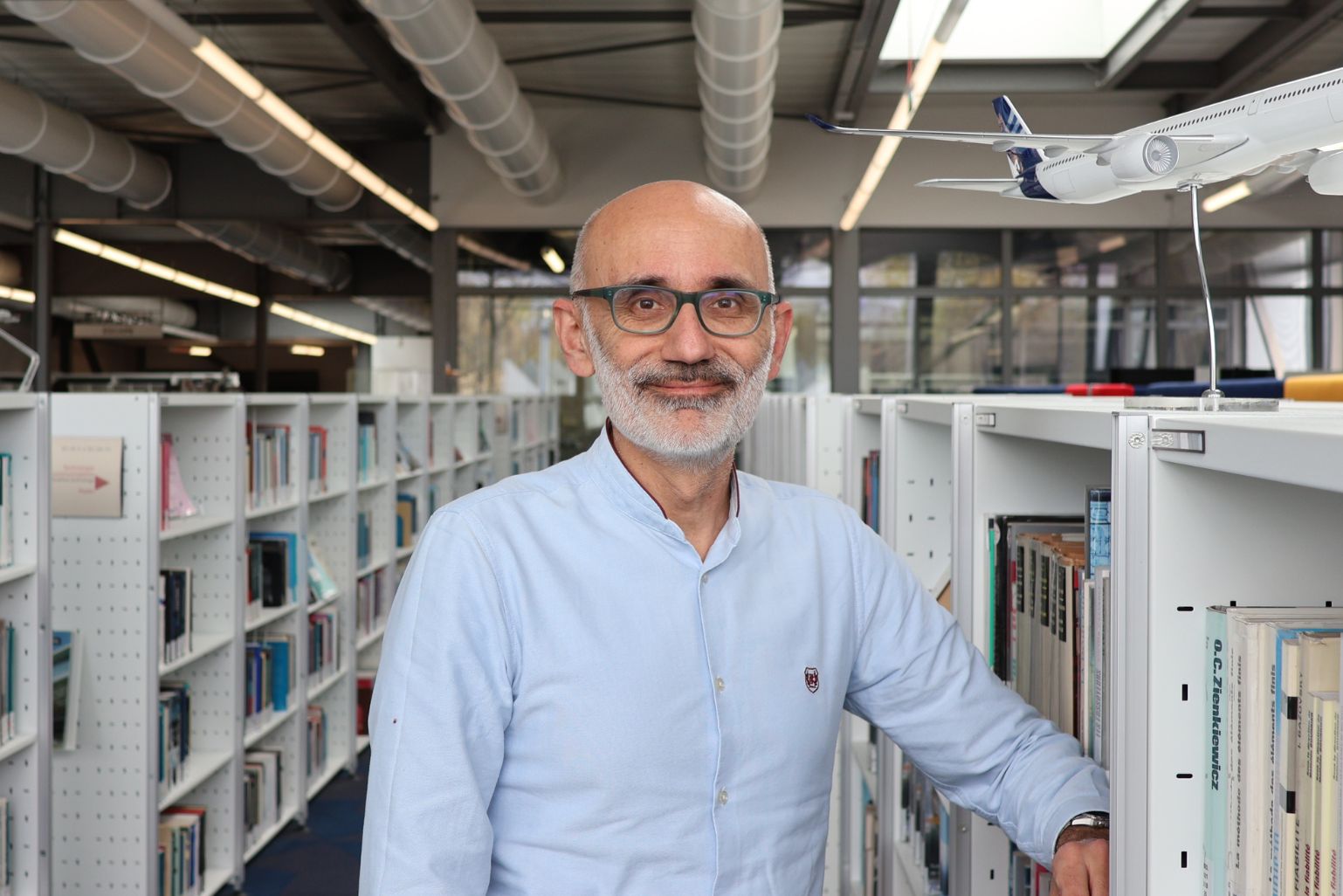
Jean-Michel Biel graduated from ENAC with an engineering degree in Computer Science and Air Traffic Management. He has gained significant experience in air navigation systems engineering, with a strong focus on Safety, working mainly on projects for the DSNA, the French ANSP. Since late 2023, he has been the course director for “Safety Management in Aviation” Advanced Master, whilst also teaching Systems Engineering and Project Management at ENAC.
Why is Safety Management considered a critical competency for aviation professionals worldwide?
Aviation safety has always been a key concern and a top priority for all stakeholders in the air transport system, which is both particularly critical and rapidly evolving. Late 2013, ICAO released the first edition of Annex 19 which is dedicated to Safety Management. This annex centralised and consolidated provisions that were previously scattered across various annexes but also introduced new provisions, including increasingly binding statuses of the Safety Management System (SMS) and the State Safety Programme (SSP). Whether driven by regulatory pressure or out of their own initiative, professionals in the aviation sector have therefore had to further develop and formalise Safety Management within their organisations, including at State level. It was at that time that the decision to set up the MSSMA course at ENAC was taken.
What makes your Safety Management programme unique compared to other aviation safety programmes internationally?
Our training programme covers both the cross-functional skills required of a Safety Manager (risk analysis and management, leadership, project management, audits, etc.) and an understanding of the various types of Air Transport System operators (ANSP, MRO, Aerodromes, Air Operators, ATO, Manufacturers) with a strong focus on Safety Management for each one. Safety management at State level and, more broadly, within international or supranational bodies is also addressed in depth. We are firmly convinced that Aviation Safety cannot be addressed solely at the level of the individual operator, but must be considered within the context of the overall Aviation System, which requires a clear global understanding of this system and the detailed safety concerns of each stakeholder. I think this feature is unique to our programme.
What career opportunities and roles can graduates expect after completing this programme?
Depending on their background before joining the programme and their aspirations, graduates can apply for positions such as Safety Managers, SMS Managers or Safety Officers but also to Safety-related roles within state bodies or regulatory authorities.
Why should an international student choose this program to advance their career in aviation safety?
Multiculturalism and, more generally, the diversity of backgrounds is not seen as a constraint on our part; on the contrary, this is an asset for all students, enriching interactions between students and with teaching staff. This course offered by ENAC can help fast-track your career or support you in specialising, retraining or settling into a new role in the field of security management, within an internationally renowned institution. More, Toulouse is one of the world's aviation capitals, which enables us to organise educational visits that offer significant added value for students.